
The Complete Guide to Managing Personal Finances in the USA: Budgeting, Saving, Investing, and Building Long-Term Wealth
About The Complete Guide to Managing Personal Finances in the USA: Budgeting, Saving, Investing, and Building Long-Term Wealth
Personal finance advice can feel overwhelming: conflicting tips online, changing tax rules, and the pressure to “do it all” now. This guide cuts through the noise with clear, actionable steps you can use today—whether you’re starting your first job, raising a family, or planning retirement.
What does personal financial planning really mean today?
What is personal financial planning? In simple terms, it is the ongoing process of organizing, managing, and reviewing your money so you can reach short-, medium-, and long-term goals. It includes how you earn, spend, save, invest, borrow, and protect your money over time.
That makes it much bigger than just “making a budget.” A good financial plan helps you stay prepared for surprises, avoid expensive mistakes, and move toward wealth step by step.
Good personal finance advice begins with knowing where you stand.
- Track the last 30–60 days of income and expenses. Use an app (Mint, Simplifi) or a simple Google Sheet.
- Create a net worth statement by listing assets (savings, investments, home value) and liabilities (student loans, credit card balances, mortgage).
- Pull your credit report at least once a year (annualcreditreport.com) and check your credit score.
Why this matters: if you don’t measure, you can’t improve. Seeing recurring subscriptions, unusual spending categories, or a large high-interest balance makes decisions obvious.
Build a budget that works for you
Budgeting isn’t one-size-fits-all. Choose a method and adapt it.
- Simple rule: pay yourself first. Automate transfers to savings and retirement before you see the money.
- Methods to consider: 50/30/20 (needs/wants/savings), zero-based budgeting (every dollar assigned), envelope method (cash categories).
- Practical tip: Treat savings goals as recurring bills — set up automatic transfers for emergency fund, vacation, and retirement.

 Discretionary 30%
 Savings / investing 20%
 Essentials 50%
Here’s the budget split visualized. And for reference, the full sheet as a table:
| Category | Target % | Amount | Notes |
| Essentials | 50% | $2,000 | Rent, groceries, utilities |
| Savings / Investing | 20% | $800 | HYSA $200, 401(k) $400, Roth IRA $200 |
| Discretionary | 30% | $1,200 | Dining, subscriptions |
| High-Interest Debt Extra | 0% | $0 | Use when not attacking debt |
| Total | 100% | $4,000 | Should equal net income |
Reports from the U.S. Bureau of Labor Statistics says that the average annual household spending in 2024 is $78,535, with average before-tax income of $104,207.
Ways to save money at home
f you are looking for ways to save money at home, start with the easiest recurring costs that usually means reducing utility waste, renegotiating subscriptions, cooking more meals at home, and avoiding impulse purchases that happen when you are bored or stressed.
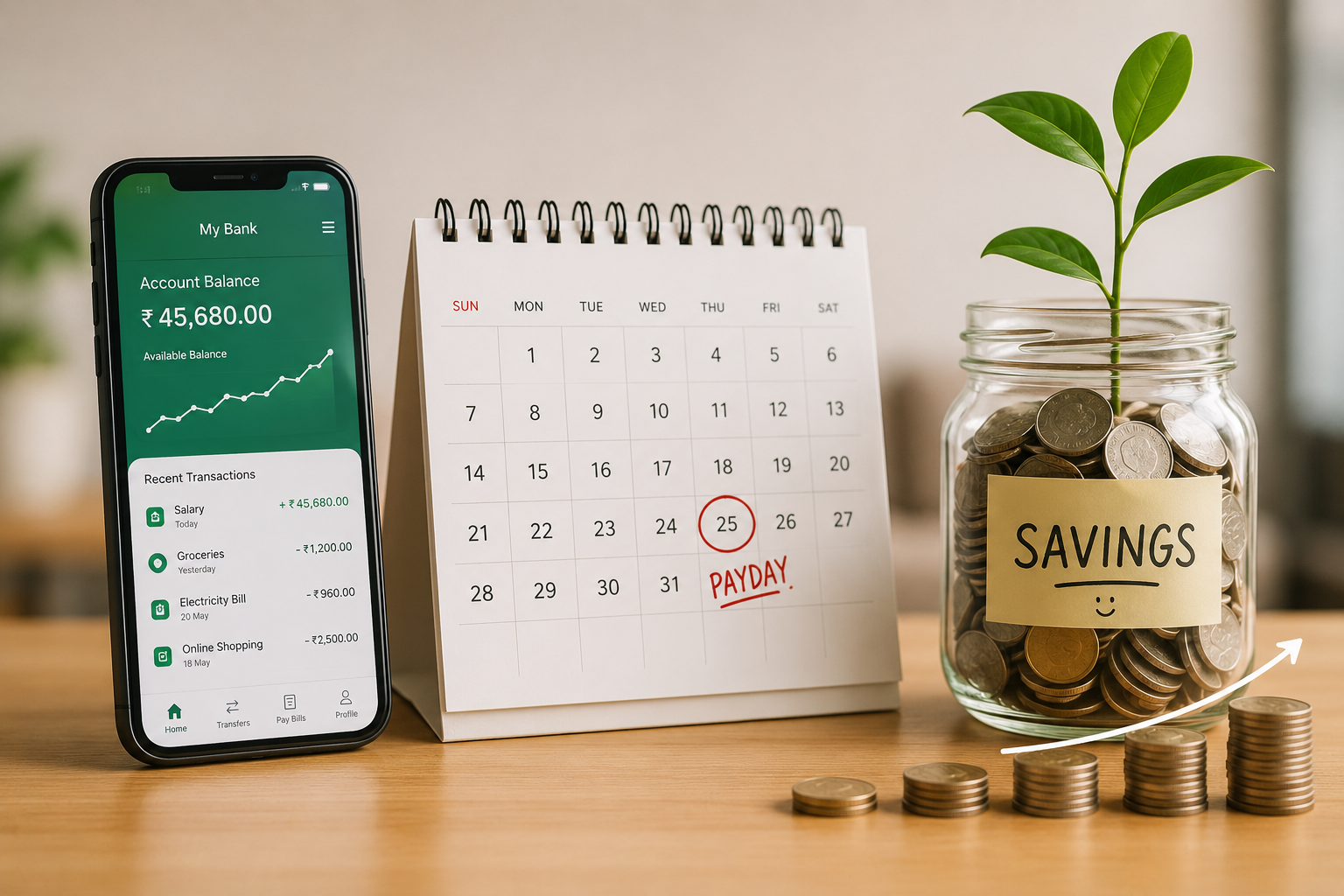
A practical home-savings checklist includes:
- Lower energy use by adjusting thermostats and unplugging idle electronics.
- Review streaming, delivery, and app subscriptions every month.
- Meal plan before grocery shopping.
- Compare insurance and internet bills once a year.
- Use automatic transfers so saving happens before spending.
These are not glamorous changes, but they work because they attack small leaks that add up over time. As per the report from the Federal Reserve Bank of St. Louis on June 25, the U.S. personal saving rate was 3.0% in May 2026.
Tax’s
Taxes quietly shave your investment returns every year, so a few simple moves can leave a lot more money in your pocket from time to time. Think of taxes as a friction you can reduce with planning — not something you have to out-guess perfectly.
A High-Deductible Health Plan (HDHP) will be the best tool available. It’s often called “triple tax-advantaged” for a reason:
- Contributions are pre-tax or tax-deductible, lowering your taxable income today.
- Money grows tax-free while invested.
- Withdrawals for qualified medical expenses are tax-free.
Not all investments are taxed the same. Placing the right asset in the right account—called asset location—reduces your lifetime tax bill.
Emergency fund
For most people, it is not just making stupid investments, it is getting control of monthly cash flow, then building a safeguard so one surprise bill does not ruin the whole month. The Consumer Financial Protection Bureau has said that to build financial stability, taking an emergency fund seriously is a good decision.
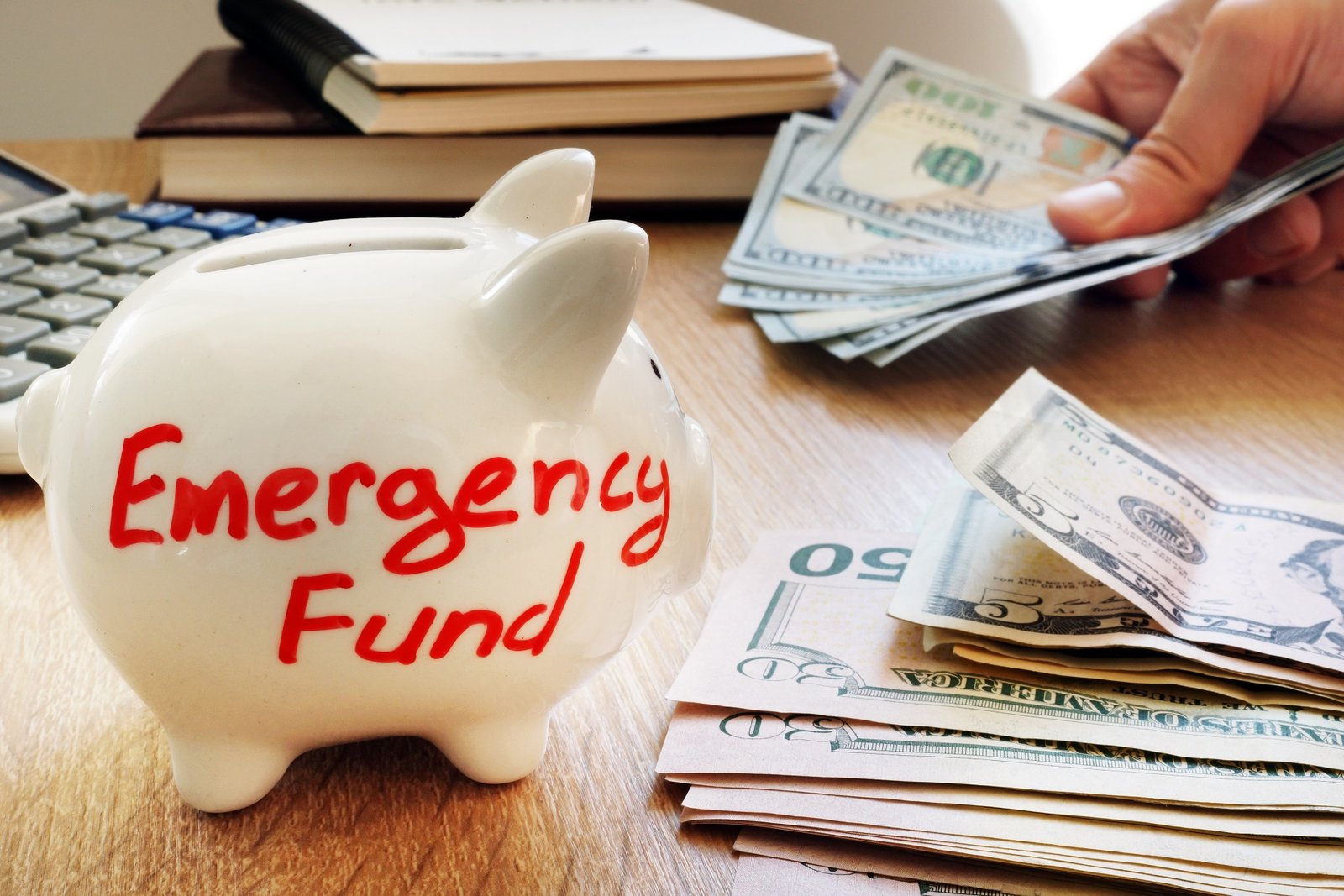
An emergency fund prevents small problems like job loss, medical bills, or car repairs from becoming financial disasters.
- Target: 3–6 months of essential expenses if employed; 6–12 months if self-employed or variable income.
- Where to park it: high-yield savings account (HYSA) or money market account for liquidity and decent interest.
- Build it fast: Automate small transfers, use windfalls (tax refunds, bonuses), and cut one discretionary subscription to speed progress.
Debt: Prioritize and Attack Strategically
Not all debt is equal. High-interest credit card debt is usually the first priority.
- Categorize debts by interest rate and balance. Use the avalanche method (highest rate first) for math-optimal paydown or snowball (smallest balance first) for behavioral wins.
- Consider consolidation tools: balance-transfer cards for 0% APR periods, personal loans for lower fixed rates, or refinancing mortgages/student loans if rates are better.
- Keep minimum payments current to protect credit scores.
Individual Retirement Accounts(IRAs)
If you want to invest for the long term, retirement accounts such as IRA are one of the best places available.
The Internal Revenue Service (IRS) says that the annual contribution limit for a 401(k) is $24,500, and the IRA contribution limit is $7,500. People aged 50 and older can generally add catch-up contributions, which raises the IRA total to $8,600 and the 401(k) catch-up to $8,000.
As per IRS, a worker who is above 50 and involved in 401(k) can possibly save up to $32,500 in 2026. A traditional IRA can be a useful choice if you want a tax deduction now and expect to be in a lower tax bracket later. It is not the only option, but it is one of the most common ways to build retirement savings with tax advantages.
For a traditional IRA, the IRS notes that income limits determine whether your contribution is logical if you or your spouse are covered by a workplace plan.
Real-life example: Sarah’s turnaround
Sarah, 32, software engineer, net monthly income $6,000. She had $12,000 in credit card debt at 19% APR, a $7,000 student loan at 5%, and $15,000 in retirement across a 401(k).
Steps Sarah took:
- Tracked expenses and cut $300/month in subscriptions and dining out.
- Built a $1,500 starter emergency fund in a HYSA.
- Used the avalanche method: allocated an extra $1,000/month to credit cards while making minimums on student loans.
- Opened a Roth IRA and contributed $200/month automatically once high-interest debt was down to $5,000.
Results after 18 months:
- Credit card debt paid off, saving ~ $3,420 in interest.
- Emergency fund reached $6,000 (3 months of expenses).
- Retirement contributions up to 12% of salary with employer 401(k) match resumed.
Lessons: small automation, prioritizing high-interest debt, and restarting retirement contributions early accelerated progress.
Frequently Asked Questions (FAQs)
-
Should I pay off debt or invest?
Prioritize paying off high-interest debt (carry costs above likely investment returns). Contribute to retirement up to employer match while paying down debt.
-
How much should I save by age 30?
Targets vary, but a common rule is 1x your salary by 30; focus on consistent saving instead of exact numbers.
-
What’s the best investment?
No single best — choose low-cost, diversified index funds matched to your risk tolerance.
Property Details
Frequently Asked Questions
No FAQs added yet.